OPTIMALISASI GREENHOUSE DAN IMPLEMENTASI MEDIA BELAJAR ‘STAND FOR WORD’ DAN ‘ULAR TANGGA NUMERASI’ SEBAGAI INOVASI PEMBELAJARAN LITERASI DAN NUMERASI DI SMP NEGERI 4 KOTA BENGKULU

Downloads
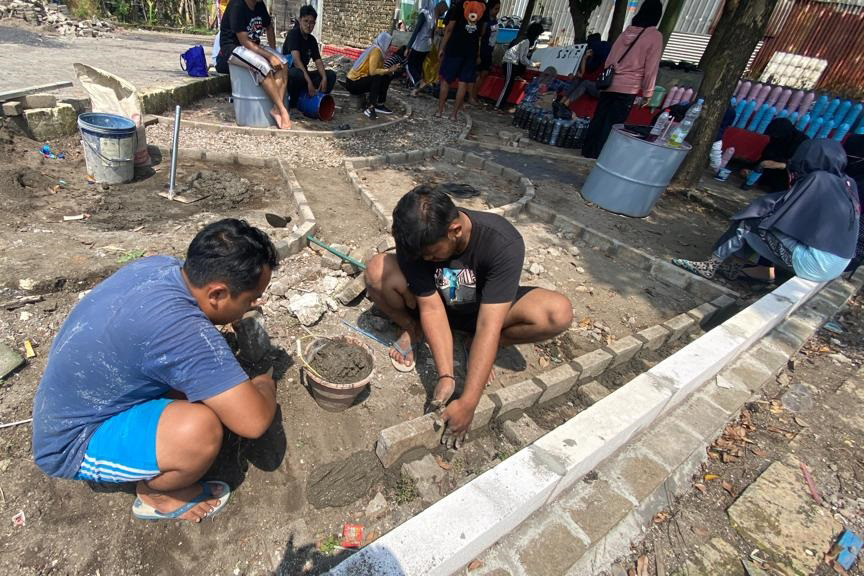
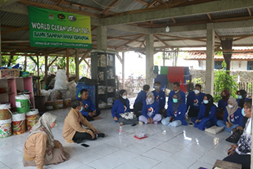
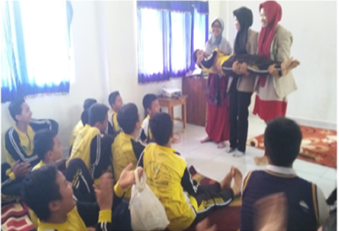
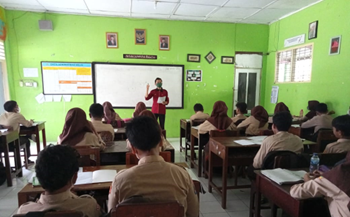
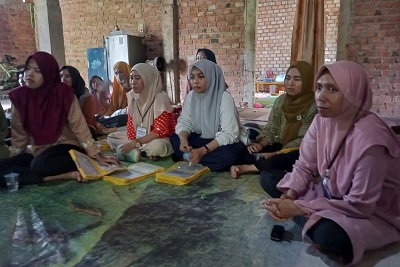
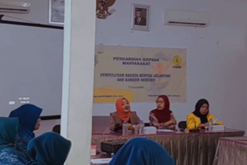
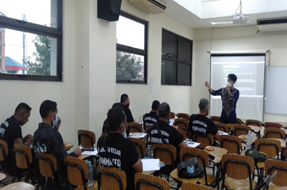
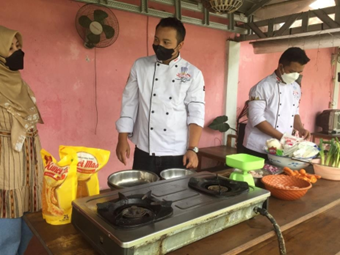
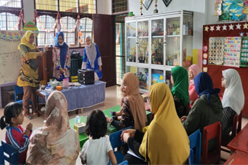
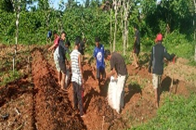
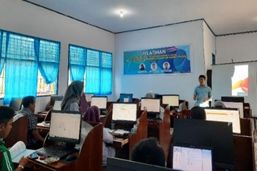
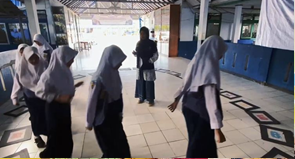
Improving the quality of education in schools, especially in literacy and numeracy, is an ongoing challenge in line with the demands of the educational world and the need for 21st-century skills. Literacy, which includes the ability to read, write, and comprehend information, as well as numeracy related to mathematical concepts, is a fundamental competency that plays a crucial role in students' cognitive development. At SMP Negeri 4 Kota Bengkulu, efforts to address this challenge have been made by optimizing the use of a greenhouse as an environmentally-based learning tool. The greenhouse not only introduces scientific concepts but also teaches practical skills related to environmental management and sustainability. Utilizing the greenhouse in education provides students with the opportunity to engage directly in plant cultivation processes, while also introducing numeracy concepts such as measurement and plant growth data analysis. Additionally, game-based learning media such as Stand for Word and Ular Tangga Numerasi are used to enhance students' literacy and numeracy skills in a fun and effective way. Stand for Word sharpens language skills, while Ular Tangga Numerasi is designed to improve basic mathematical skills. Both media support the development of collaborative and critical thinking skills, which are essential in 21st-century learning. Through the integration of environmental-based and technological learning methods, it is hoped that students will not only improve their literacy and numeracy skills but also raise their awareness of the importance of biodiversity and environmental sustainability.
Duncan, J., et al. (2020). Penerapan Pembelajaran Berbasis Lingkungan dan Teknologi dalam Meningkatkan Keterampilan Abad 21.
Gee, J. P. (2003). What Video Games Have to Teach Us About Learning and Literacy. Computers in Entertainment (CIE), 1(1), 20-20.
Johnson, D. W., & Johnson, R. T. (2019). Cooperative Learning: Improving University Instruction by Building Learning Teams. The Teaching Professor, 33(1), 2-6.
Karimah, M., Saputri, I. W., Adji, D. M., & Susilo, B. E. (2024). Penggunaan Nearpod dalam Pembelajaran Matematika untuk Meningkatkan Literasi Numerasi Siswa. PRISMA, 7(2), 524-528.
Laksana, S., Utami, A., & Wahyudi, R. (2023). Pengembangan Media Pembelajaran Berbasis Budaya Lokal untuk Meningkatkan Literasi Siswa. Jurnal Pendidikan Indonesia, 28(4), 177-184.
OECD (2019). Keterampilan Literasi dan Numerasi untuk Menghadapi Tantangan Global.
Rahman, S., et al. (2020). Pembelajaran Berbasis Lingkungan dan Peningkatan Kesadaran Ekologis Siswa di Sekolah.
Susanto, H., Lestari, M., & Suryanto, B. (2021). Penerapan Pembelajaran Berbasis Konteks Budaya Lokal pada Siswa SMP. Jurnal Pendidikan dan Kebudayaan, 18(3), 230-241.
Zimmerman, B. J. (2019). Becoming a Self-Regulated Learner: An Overview. Theory into Practice, 48(2), 1-7.
Copyright (c) 2025 Dini Fajar Triana, Desi Indah Sari, Dita Indah Lestari, Putu Tamara Dwica Arthasusanti, Syahrial Afrizon

This work is licensed under a Creative Commons Attribution-NonCommercial-ShareAlike 4.0 International License.