Pemberdayaan Kader Posyandu melalui Sistem Informasi Gizi Komplementer untuk Peningkatan Kualitas MP-ASI

Downloads
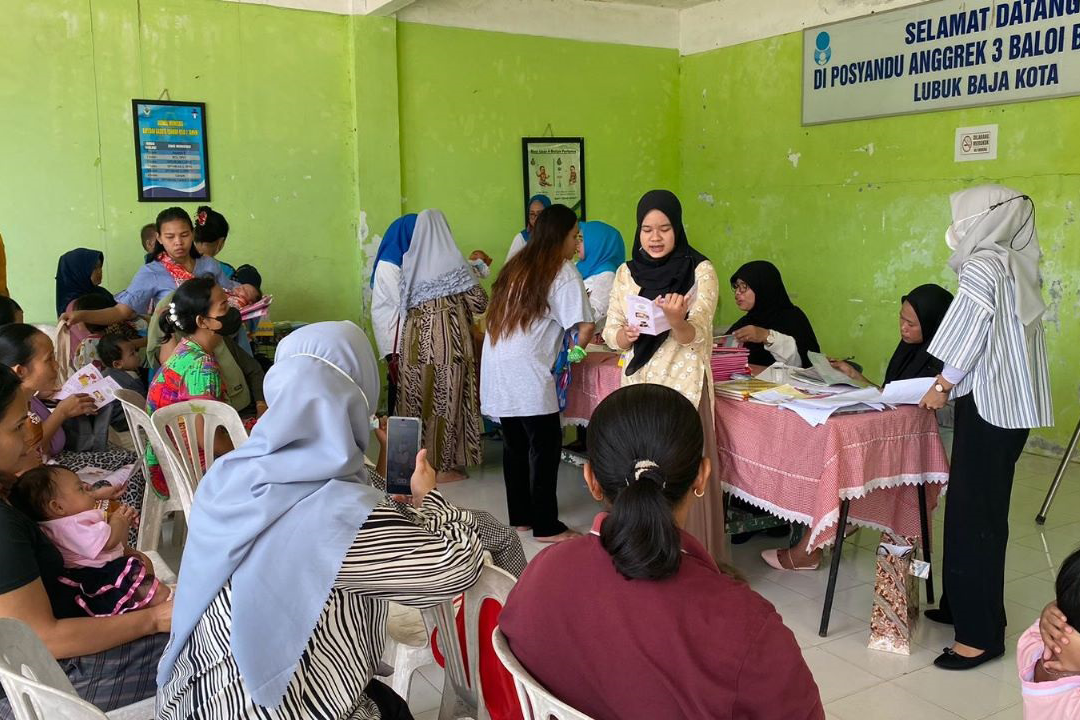
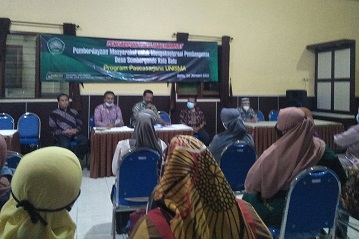
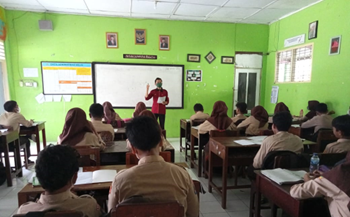
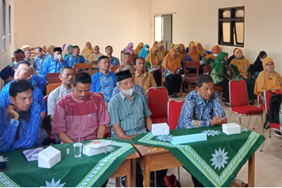
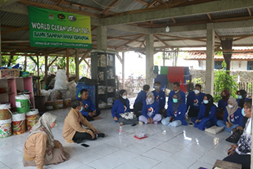
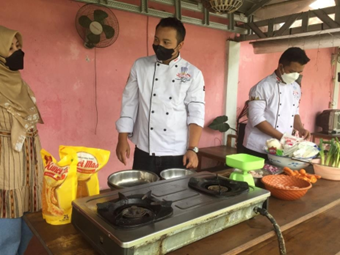
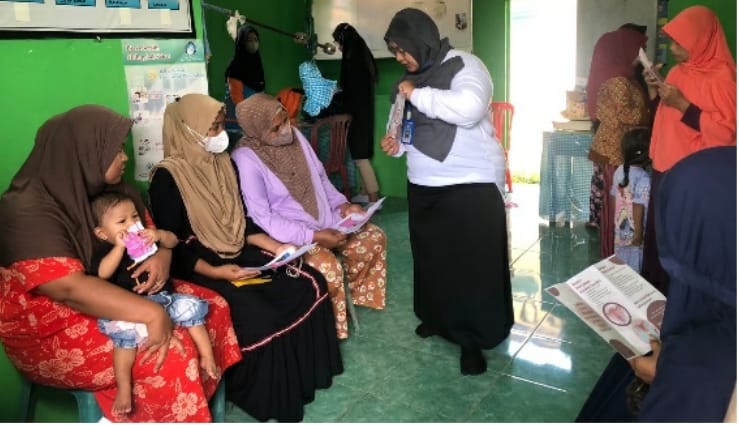
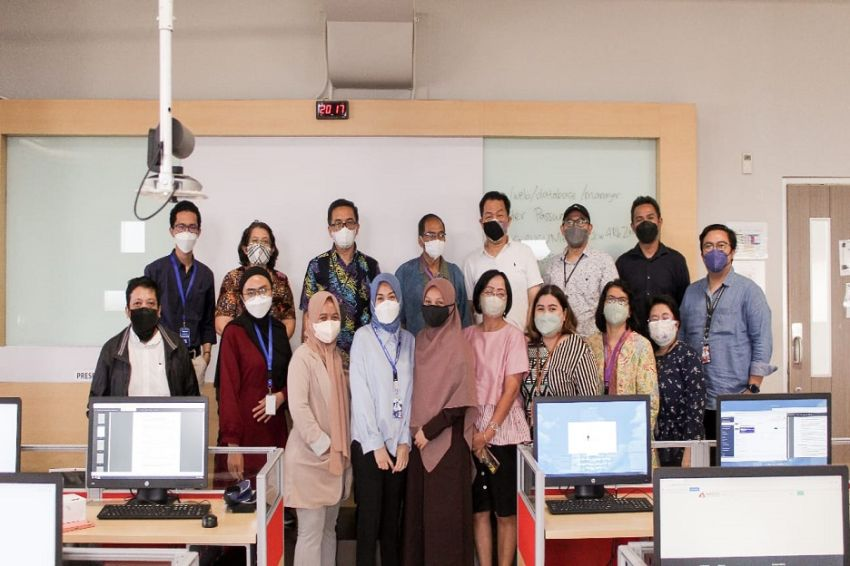
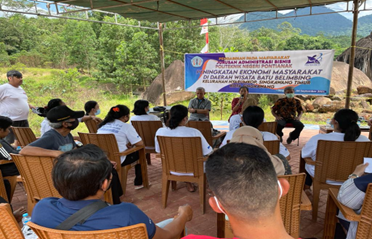
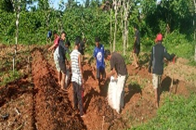
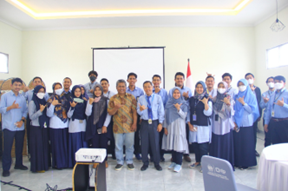
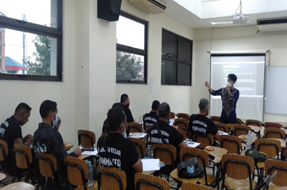
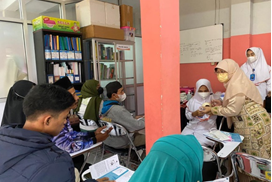
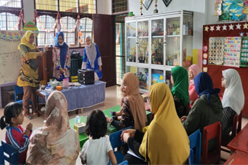
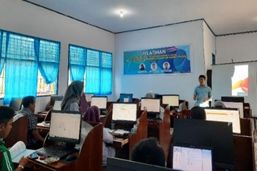
Indonesia still faces serious challenges related to nutrition problems in children, with the prevalence of stunting still high. Quality Complementary Feeding of Breast Milk (MP-ASI) plays a crucial role in supporting the optimal growth and development of toddlers. However, many mothers have difficulty in providing MP-ASI that meets nutritional standards, due to a lack of knowledge, limited resources, and limited access to information. Posyandu cadres as the spearhead of public health services have a central role in providing education and assistance to mothers under five. However, they often face limited knowledge and access to adequate information related to nutrition. This research aims to empower Posyandu cadres through the implementation of a complementary nutrition information system. The methods used include intensive training, mentoring, and the development of a web-based information system that is easy to access and use. The results of the study showed a significant increase in the knowledge and skills of cadres about nutrition, as well as an improvement in the quality of MP-ASI provided by mothers under five. Information systems have proven to be effective in facilitating knowledge transfer, facilitating access to information, and improving the efficiency of cadres' work. The conclusion of this study is that the empowerment of Posyandu cadres through a complementary nutrition information system is an effective strategy to improve the quality of MP-ASI and ultimately contribute to reducing stunting and improving the quality of human resources in Indonesia. Recommendations include expanding the implementation of information systems in various regions, improving training and mentoring of cadres, and developing more comprehensive information content.
Abebe, Z., Haki, G. D., & Baye, K. (2016). Health extension workers’ knowledge and knowledge-sharing effectiveness of optimal infant and young child feeding are associated with mothers’ knowledge and child stunting in rural Ethiopia. Food and Nutrition Bulletin, 37(3), 353–363. DOI: 10.1177/0379572116651209.
Ahmad, A., Madanijah, S., Dwiriani, C. M., & Kolopaking, R. (2018). Complementary feeding practices and nutritional status of children 6–23 months old: Formative study in Aceh, Indonesia. Nutrition Research and Practice, 12(6), 512–520. DOI: 10.4162/nrp.2018.12.6.512.
Ahmad, A., Madanijah, S., Dwiriani, C. M., & Kolopaking, R. (2019). Pengetahuan, sikap, motivasi ibu, dan praktik pemberian MP-ASI pada anak usia 6–23 bulan: Studi formatif di Aceh. Jurnal Gizi Klinik Indonesia, 16(1), 1–13. DOI: 10.22146/ijcn.34560.
Andriani, R., Anggarini, I. A., & Valencia, F. V. (2022). Efektivitas edukasi melalui aplikasi MP-ASI terhadap pengetahuan ibu. Jurnal Delima Harapan, 9(1), 59–70. DOI: 10.31935/delima.v9i1.151.
Herman, H., Mansur, A. R., & Chang, Y.-J. (2023). Factors associated with appropriate complementary feeding: A scoping review. Journal of Pediatric Nursing, 71, e75–e89. DOI: 10.1016/j.pedn.2023.04.017.
Kurnia, I. D., Rachmawati, P. D., Arief, Y. S., Krisnana, I., Rithpho, P., & Arifin, H. (2024). Factors associated with infant and young child feeding practices in children aged 6–23 months in Indonesia: A nationwide study. Journal of Pediatric Nursing, 78, 82–88. DOI: 10.1016/j.pedn.2024.06.006.
Mousavi Ezmareh, F., Bostani Khalesi, Z., Jafarzadeh Kenarsari, F., & Maroufizadeh, S. (2024). The impact of complementary feeding education for mothers using mobile phone applications on the anthropometric indices of Iranian infants. Digital Health. DOI: 10.1177/20552076241272558.
Muluye, S. D., Lemma, T. B., & Diddana, T. Z. (2020). Effects of nutrition education on improving knowledge and practice of complementary feeding of mothers with 6- to 23-month-old children in daycare centers in Hawassa Town, Southern Ethiopia: An institution-based randomized control trial. Journal of Nutrition and Metabolism, 2020, 6571583. DOI: 10.1155/2020/6571583.
Nuburi, D., Lusiana, S. A., & Deda, M. O. (2024). Training of Posyandu cadres in the preparation of local food-based MP-ASI for stunting prevention in Nolokla Village, East Sentani. Jurnal Abmas Negeri, 6(1), 1–8. DOI: 10.36590/jagri.v6i1.1548.
Paramashanti, B. A., Huda, T. M., Alam, A., & Dibley, M. J. (2021). Trends and determinants of minimum dietary diversity among children aged 6–23 months: A pooled analysis of Indonesia Demographic and Health Surveys from 2007 to 2017. Public Health Nutrition, 25(7). DOI: 10.1017/S1368980021004559.
Prasetyo, Y. B., Permatasari, P., & Susanti, H. D. (2023). The effect of mothers’ nutritional education and knowledge on children’s nutritional status: A systematic review. International Journal of Child Care and Education Policy, 17, 11. DOI: 10.1186/s40723-023-00114-7.
Rachmah, Q., Muniroh, L., Atmaka, D. R., Fitria, A. L., Pratiwi, A. A., Agustin, A. M., Nastiti, A. N., Arum, D. A. B. S., Helmiyati, S., & Wigati, M. (2022). Peningkatan pengetahuan gizi terkait makanan pendamping ASI (MP-ASI) melalui edukasi dan hands-on-activity pada kader dan non-kader. Media Gizi Indonesia, 17(1SP), 47–52. DOI: 10.20473/mgi.v17i1SP.47-52.
Rizkiriani, A., Dianah, R., & Kartinawati, A. (2023). Pelatihan pembuatan MP-ASI dengan memanfaatkan aplikasi Baby Meal Planner pada kader Posyandu di Babakan, Bogor Tengah. Jurnal Ilmiah Pengabdian kepada Masyarakat, 9(1), 112–118. DOI: 10.29244/agrokreatif.9.1.112-118.
Sastriawan, H., Novianry, V., Andriani, Effiana, & Astuti, P. (2024). Edukasi untuk peningkatan pengetahuan kader terhadap pemberian MPASI. Pontianak Nutrition Journal, 7(1). DOI: 10.30602/pnj.v7i1.1342.
Sekartaji, R., Suza, D. E., Fauziningtyas, R., Almutairi, W. M., Susanti, I. A., Astutik, E., & Efendi, F. (2021). Dietary diversity and associated factors among children aged 6–23 months in Indonesia. Journal of Pediatric Nursing, 56, 30–34. DOI: 10.1016/j.pedn.2020.10.006.
Surmita, S., Sekartini, R., Kekalih, A., Hendarto, A., Prawitasari, T., Chandra, D. N., Andriani, R., & Fauziyah, R. N. (2023). Effect of complementary feeding training on Posyandu cadres knowledge as stunting prevention on 6–12 months children. International Conference on Interprofessional Health Collaboration and Community Empowerment, 5, 40–46. DOI: 10.34011/icihcce.v5i1.253.
Susanti, A. I., Larasati, P. A., Hafsah, T., & Gurnida, D. A. (2025). Efforts to prevent stunting by enhancing cadres knowledge and attitudes on infant and young child feeding. Jurnal Ilmiah Pengabdian Masyarakat Bidang Kesehatan, 3(2), 36–44. DOI: 10.58723/abdigermas.v3i2.382.
Thepha, T., Sangha, E., & Marais, D. (2026). Impacts of mobile health interventions on infant and young child feeding in LMICs: Systematic review and meta-analysis. BMC Pediatrics, 26, 256. DOI: 10.1186/s12887-025-06450-6.
Widiasih, R., Sunjaya, D. K., Rahayuwati, L., Rusyidi, B., Ermiati, Sari, C. W. M., Mardani, Rusdi, & Tung, S. E. H. (2025). Evaluating the knowledge, roles, and skills of health cadres in stunting prevention: A mixed-method study in Indonesia. Belitung Nursing Journal, 11(3), 330–339. DOI: 10.33546/bnj.3722.
Yunitasari, E., Al Faisal, A. H., Efendi, F., Kusumaningrum, T., Yunita, F. C., & Chong, M. C. (2022). Factors associated with complementary feeding practices among children aged 6–23 months in Indonesia. BMC Pediatrics, 22, 727. DOI: 10.1186/s12887-022-03728-x.
Copyright (c) 2025 Meilita Dwi Paundrianagari, Chindy Amir, Marzuki Piliang

This work is licensed under a Creative Commons Attribution-NonCommercial-ShareAlike 4.0 International License.