Mitigasi Risiko Social Engineering dan Keamanan Identitas Digital pada Ekosistem Mobile Banking melalui Edukasi Preventif bagi Siswa SMA Kota Tangerang

Downloads
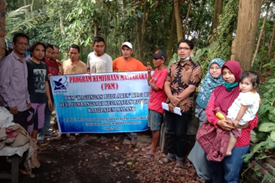
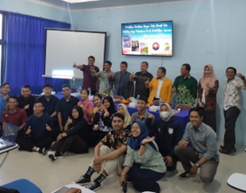
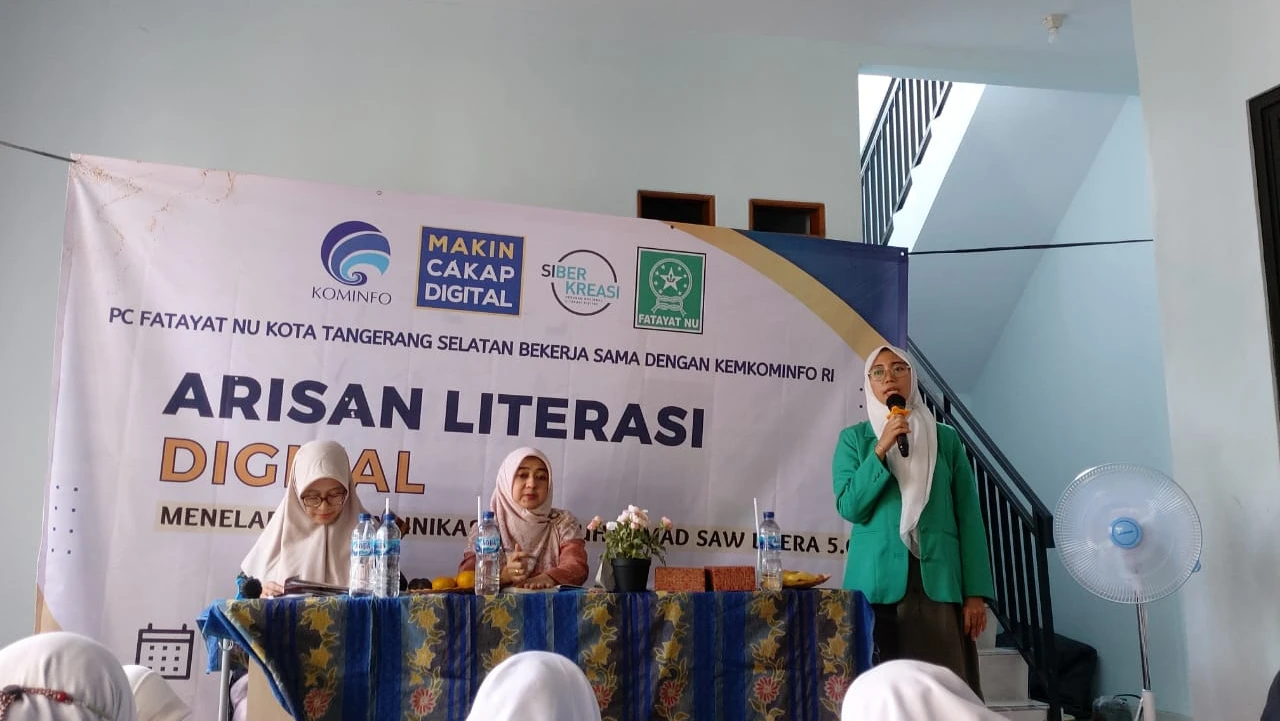
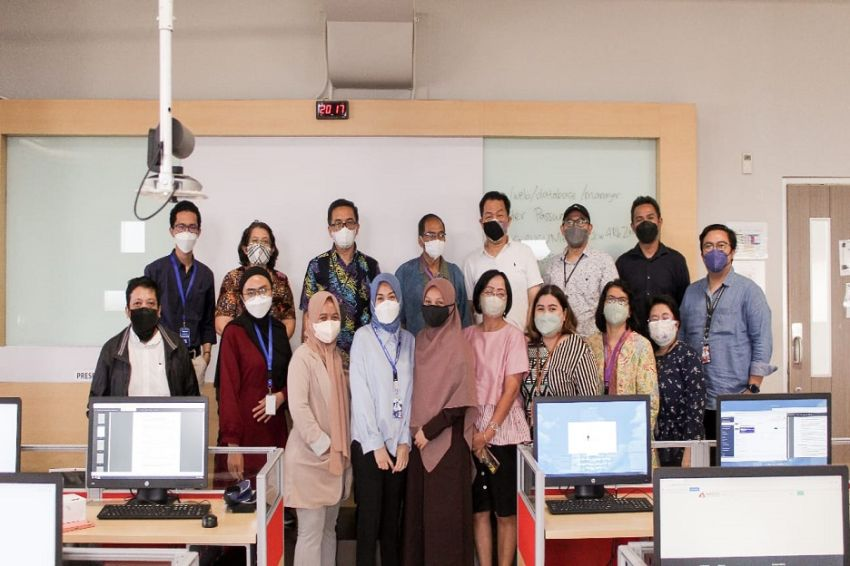
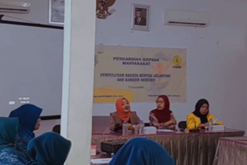
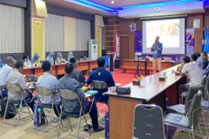
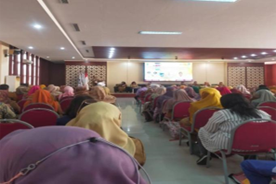
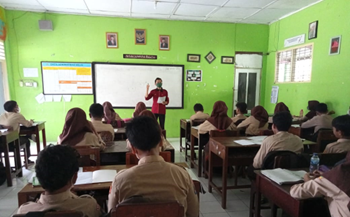
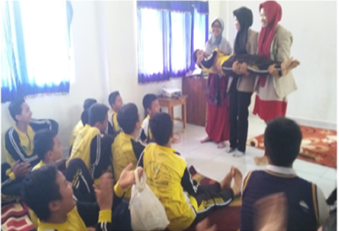
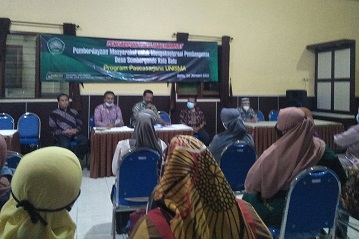
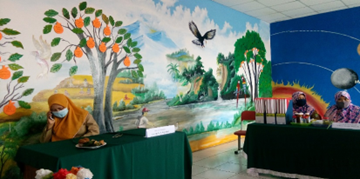
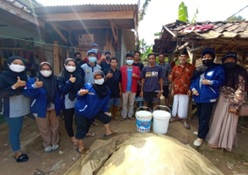
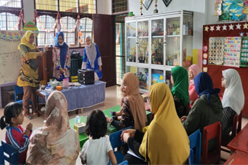
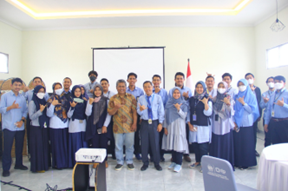
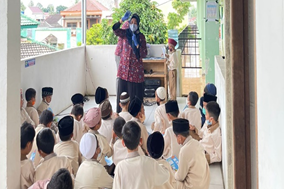
The digital transformation in the banking sector has increased financial accessibility for the younger generation, yet it has also expanded vulnerabilities to cyberattacks based on psychological manipulation. High school students, as active users of mobile banking, often become primary targets of social engineering crimes due to limited literacy regarding digital identity security. This Community Service (PkM) activity aims to enhance students' awareness and technical capabilities in mitigating digital fraud risks within the banking ecosystem. The implementation method was conducted through expert-sharing sessions based on the experience of banking IT practitioners, phishing attack simulations, and education on protecting credentials such as PINs and OTPs. The results indicated a significant increase in students' awareness of recognizing information manipulation patterns and multi-layered identity protection techniques. The final evaluation proved that this preventive education successfully changed students' digital behavior to be more vigilant, which is a crucial factor in maintaining the integrity of the digital financial ecosystem in the Tangerang City area.
Bers, M. U. (2020). Coding as a Playground: Programming and Computational Thinking in the Early Childhood Classroom (2nd ed.). Routledge. https://doi.org/10.4324/9781003022602
Brennan, K., & Resnick, M. (2012). New frameworks for studying and assessing the development of computational thinking. Proceedings of the 2012 Annual Meeting of the American Educational Research Association, 1, 1–25.
Grover, S., & Pea, R. (2013). Computational thinking in K–12: A review of the state of the field. Educational Researcher, 42(1), 38–43. https://doi.org/10.3102/0013189X12463051
Hasanah, U., & Sugiarto, S. (2020). Pengembangan berpikir komputasional dalam pembelajaran matematika di sekolah menengah atas. Jurnal Elemen, 6(1), 112–125.
Kurniawati, L., & Prasetyo, H. (2021). Efektivitas penggunaan aplikasi Scratch dalam meningkatkan kemampuan logika algoritma siswa. Jurnal Pendidikan Teknologi dan Kejuruan, 18(2), 201–210.
Lye, S. Y., & Koh, J. H. L. (2014). Review on teaching and learning of computational thinking through programming: What is next for K-12?. Computers in Human Behavior, 41, 51–61. https://doi.org/10.1016/j.chb.2014.09.012
Moreno-León, J., Robles, G., & Román-González, M. (2015). Dr. Scratch: Automatic analysis of Scratch projects to assess and foster computational thinking. Proceedings of the Workshop on Primary and Secondary Computing Education, 132–133.
Papert, S. (1980). Mindstorms: Children, Computers, and Powerful Ideas. Basic Books.
Purnomo, A., & Munir, M. (2022). Strategi pengajaran computational thinking pada kurikulum merdeka di tingkat sekolah menengah. Jurnal Informatika Pendidikan, 5(3), 342–355.
Resnick, M., Maloney, J., Monroy-Hernández, A., Rusk, N., Eastmond, E., Brennan, K., Millner, A., Rosenbaum, E., Silver, J., Silverman, B., & Kafai, Y. (2009). Scratch: Programming for all. Communications of the ACM, 52(11), 60–67. https://doi.org/10.1145/1592761.1592779
Román-González, M., Pérez-González, J. C., & Jiménez-Fernández, C. (2017). Which cognitive abilities underlie computational thinking? Criterion validity of the Computational Thinking Test. Computers in Human Behavior, 72, 678–691. https://doi.org/10.1016/j.chb.2016.08.047
Selby, C., & Woollard, J. (2013). Computational thinking: The developing definition. University of Southampton (E-prints).
Shute, V. J., Sun, C., & Asbell-Clarke, J. (2017). Demystifying computational thinking. Educational Research Review, 22, 142–158. https://doi.org/10.1016/j.edurev.2017.09.003
Wahyuni, S. (2021). Metodologi Pembelajaran Informatika: Mengasah Berpikir Komputasional Siswa. Penerbit Informatika.
Wing, J. M. (2006). Computational thinking. Communications of the ACM, 49(3), 33–35. https://doi.org/10.1145/1118178.1118215
Copyright (c) 2025 Abdul Rahman, Neng Wiwin, Afifah Khaerani A

This work is licensed under a Creative Commons Attribution-NonCommercial-ShareAlike 4.0 International License.