Edukasi Literasi Kecerdasan Buatan dan Sistem Rekomendasi Media Sosial pada Siswa SMAN 7 Tangerang

Downloads
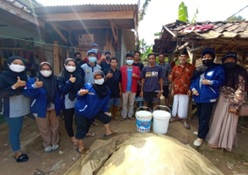
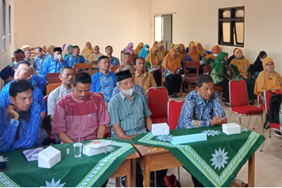
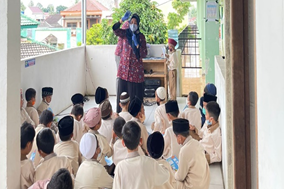
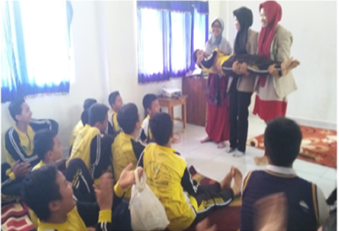
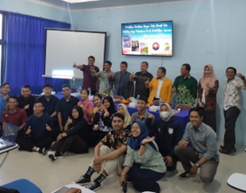
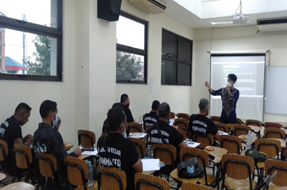
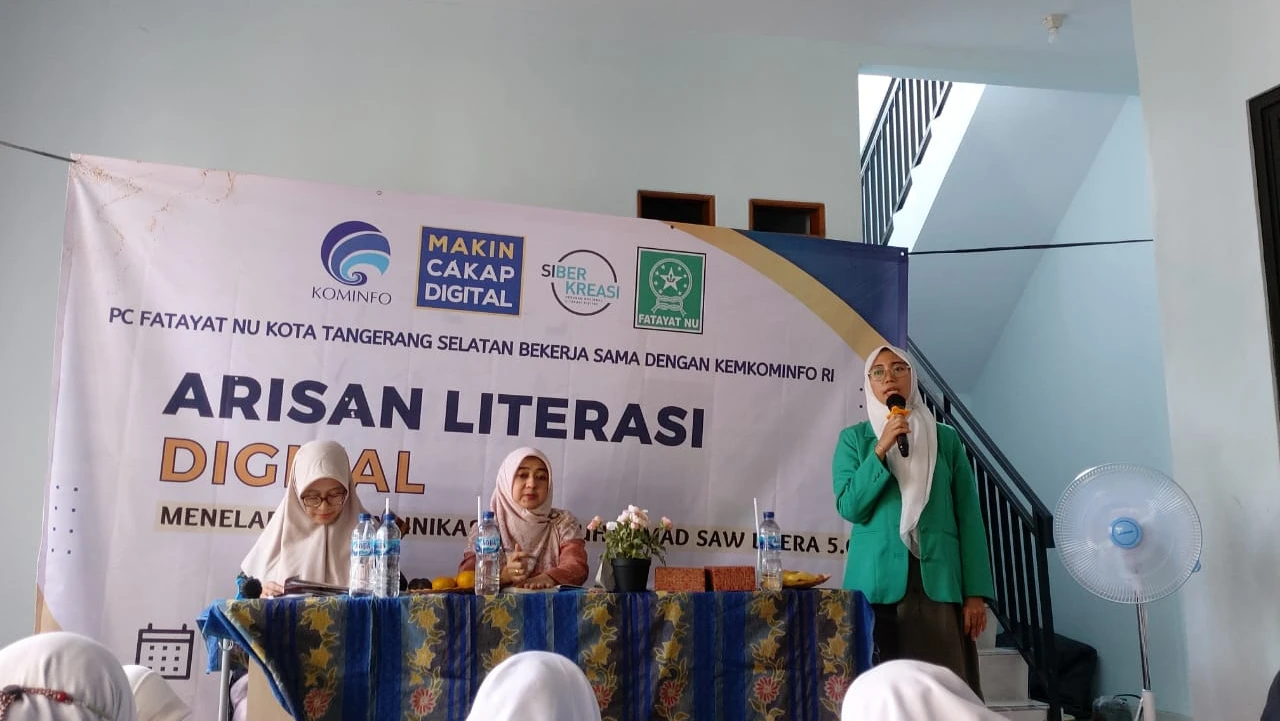
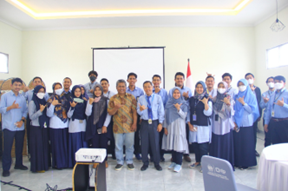
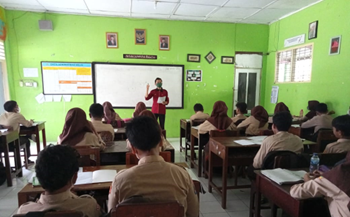
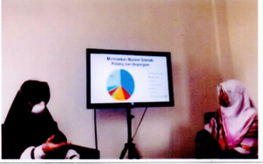
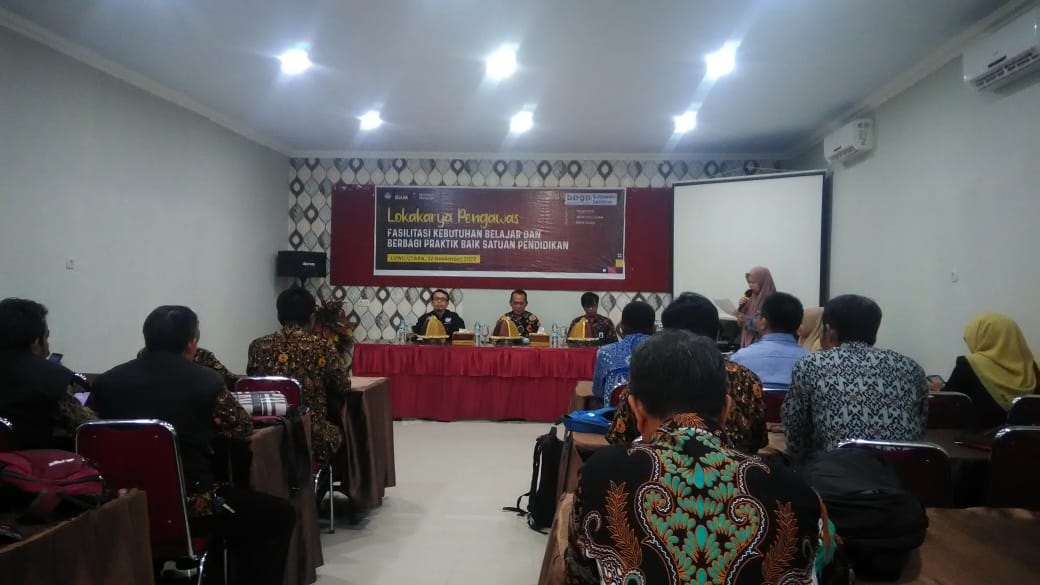
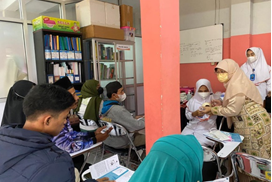
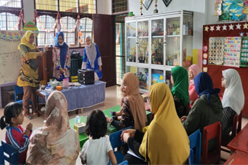
Social media has become an important part of teenagers’ daily lives, especially for accessing entertainment, information, and current trends. Behind this convenience, artificial intelligence and algorithms play a role in displaying content based on user habits and interactions, such as likes, watch duration, comments, and search history. However, students’ understanding of how these recommendation systems work is still limited. This community service activity aimed to improve students’ knowledge and digital literacy regarding the basic concepts of artificial intelligence, algorithms, and recommendation systems on social media platforms such as TikTok, Instagram Reels, and YouTube. The activity was carried out through material presentation, discussion, and question-and-answer sessions. The results showed that participants better understood why the content appearing on each account can be different and became more aware that their activities on social media influence the content recommendations they receive. In addition, this activity encouraged participants to be wiser and more critical in using social media. In general, this community service activity was beneficial in improving students’ digital literacy regarding the use of artificial intelligence-based technology in everyday life
Adomavicius, G., & Tuzhilin, A. (2005). Toward the next generation of recommender systems: A survey of the state-of-the-art and possible extensions. IEEE Transactions on Knowledge and Data Engineering, 17(6), 734–749.
Belshaw, D. A. J. (2012). What is “digital literacy”? A pragmatic investigation. Durham University.
Djamarah, S. B., & Zain, A. (2013). Strategi belajar mengajar. Rineka Cipta.
Gilster, P. (1997). Digital literacy. Wiley.
Kaplan, A. M., & Haenlein, M. (2010). Users of the world, unite! The challenges and opportunities of social media. Business Horizons, 53(1), 59–68.
Kietzmann, J. H., Hermkens, K., McCarthy, I. P., & Silvestre, B. S. (2011). Social media? Get serious! Understanding the functional building blocks of social media. Business Horizons, 54(3), 241–251.
Mardikanto, T. (2014). CSR (corporate social responsibility): Tanggung jawab sosial korporasi. Alfabeta.
Pariser, E. (2011). The filter bubble: What the Internet is hiding from you. Penguin Press.
Ricci, F., Rokach, L., & Shapira, B. (Eds.). (2022). Recommender systems handbook. Springer.
Russell, S., & Norvig, P. (2021). Artificial intelligence: A modern approach (4th ed.). Pearson.
Sudjana, N. (2010). Dasar-dasar proses belajar mengajar. Sinar Baru Algensindo.
UNESCO Institute for Statistics. (2018). A global framework of reference on digital literacy skills for indicator 4.4.2. UNESCO Institute for Statistics.
Copyright (c) 2026 Rudy Setiawan, Muhamad Maulana Faisal, Tri Setyo Slamet

This work is licensed under a Creative Commons Attribution-NonCommercial-ShareAlike 4.0 International License.