PENINGKATAN PEMAHAMAN QRIS BAGI PELAKU UMKM MELALUI WEBINAR EDUKASI PEMBAYARAN DIGITAL DALAM MENDUKUNG TRANSFORMASI KEUANGAN

Downloads
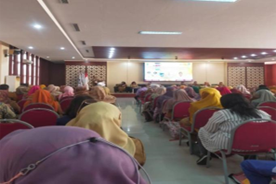
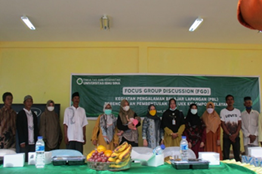
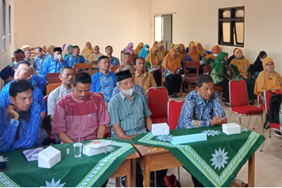
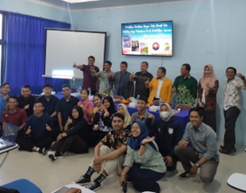
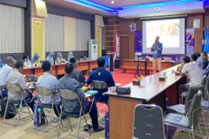
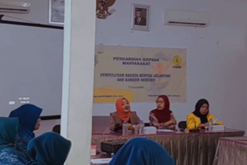
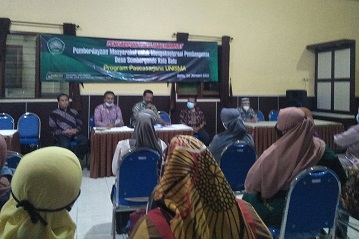
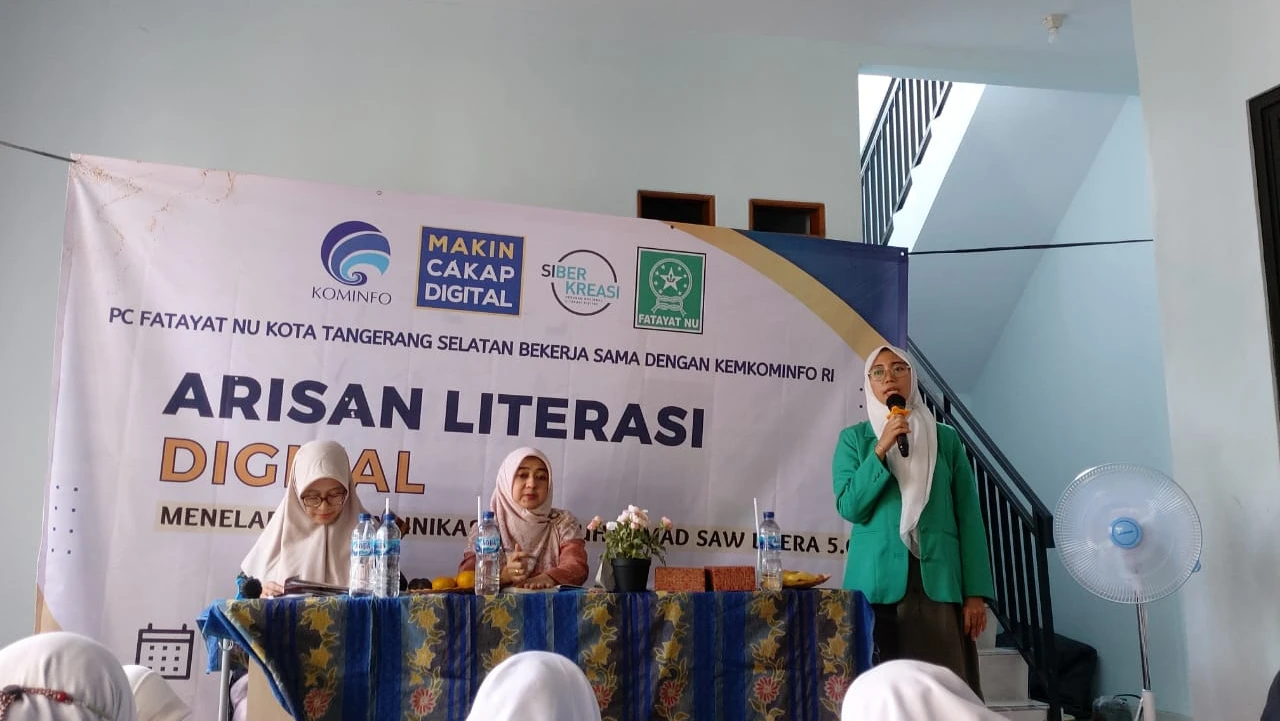
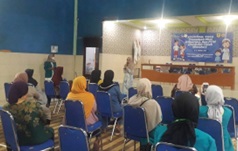
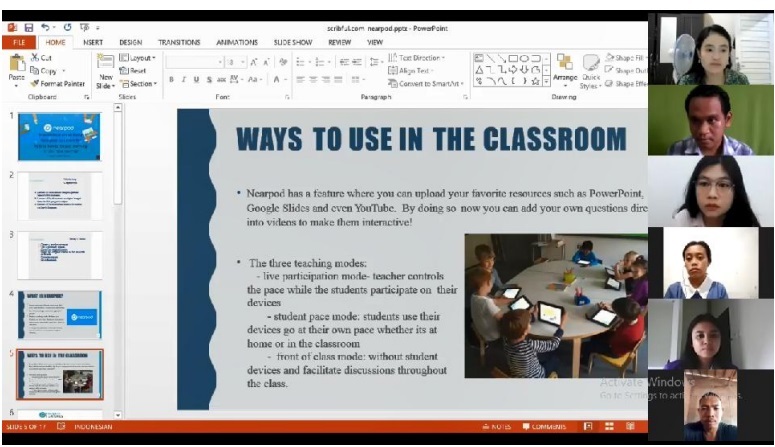
The development of the digital economy encourages MSME actors to adapt to various technological innovations, including the use of digital payment systems. However, the results of initial observations show that some MSME actors still have limited understanding of digital payments and the use of the Quick Response Indonesian Standard (QRIS), and still rely on cash transactions in their business activities. This Community Service (PkM) activity aims to increase participants' understanding of digital payment systems, introduce QRIS as a national standard for digital payments, provide an understanding of the benefits and security of QRIS, and encourage the use of digital transactions in supporting the financial transformation of MSMEs. The activity was carried out in the form of an online webinar organized by the Indonesian Institute of Accountants of the Banten Region with the theme "Getting to Know QRIS Closer: Fast, Modern, and Secure Digital Payment Strategies". The implementation method includes participant registration, material delivery, discussion and question and answer, and evaluation of activities. The participants of the activity totaled 33 people consisting of students, MSME actors, and the general public. The material presented included the evolution of payment systems, QRIS standardization, the advantages of QRIS, QRIS transaction mechanisms, types of QRIS, digital transaction security, QRIS and accounting transformation, as well as opportunities to utilize QRIS for MSMEs and the younger generation. The results of the activity showed that participants obtained information about the concept of QRIS, the benefits of digital payments, the security of digital transactions, the implementation of QRIS in business activities, and the use of QRIS in supporting the financial transformation of MSMEs. In addition, participants assessed that the material presented was relevant to current needs, easy to understand, and useful in supporting business management and adaptation to the development of the digital economy. This activity also resulted in a follow-up plan in the form of the dissemination of digital educational materials, assistance in the implementation of QRIS, monitoring the use of digital payments, and holding follow-up webinars. Thus, the webinar program has become an educational tool that supports the improvement of digital payment literacy and understanding of the use of QRIS in supporting the financial transformation of MSMEs in the digital economy era.
Anugrahwati, L. M., Khosana, K. S., & Hidayati, U. (2024). Empowering Batik Artisans: The Synergy of UU ITE and Smart Transaction Technologies in SMEs. Journal of Economics Finance and Management Studies, 07(01). https://doi.org/10.47191/jefms/v7-i1-15
Gunawan, Ahmad, Wirjawan, T. W., & Soer, U. D. (2023). Penyuluhan Mengelola Sumber Daya Insani (Sdi) Bagi Usaha Mikro, Kecil, Dan Menengah (Umkm) Desa Karang Mukti Kabupaten Bekasi. Prestise Jurnal Pengabdian Kepada Masyarakat Bidang Ekonomi Dan Bisnis, 3(2). https://doi.org/10.15575/prestise.v3i2.31731
Metri, D. P. (2024). Advancing Msmes Through Global Integration and Cross-Border Connectivity: Opportunities for Qris-Based Payment Code Development. Edunity Kajian Ilmu Sosial Dan Pendidikan, 3(1), 113–125. https://doi.org/10.57096/edunity.v3i1.221
Radiman, Wahyuni, S. F., Putri, L. P., Damaiyanti, A., & P, D. A. (2025). Lecturers’ financial well-being: The role of religiosity, financial literacy, financial behavior, and financial stress with gender as a moderating variable. In Investment Management and Financial Innovations (Vol. 22, Issue 2, pp. 14–25). LLC CPC Business Perspectives. https://doi.org/10.21511/imfi.22(2).2025.02
Rahman, M. A., Kusmayanti, & Jocom, H. (2024). Webinar Nasional Meningkatkan Daya Saing UMKM Di Era Digital Tentang Inovasi Pertumbuhan Ekonomi Melalui E-Commerce. Asthadarma, 5(2), 52–56. https://doi.org/10.55173/asthadarma.v5i2.09
Sabilla, S., Afrilla, D., Nabila, Andesti, S. S., & Esthi, R. B. (2024). Berbagi Pengetahuan Dalam Webinar Mengenai Organizational Leaderships for Young Generation. Jurnal Pengabdian Kepada Masyarakat Tunas Membangun, 4(2), 89–95. https://doi.org/10.36728/tm.v4i2.3910
Sari, A., & Adinugraha, H. H. (2022). Implementation of QRIS-Based Payments Towards the Digitalization of Indonesian MSMEs. Ekonomika Syariah Journal of Economic Studies, 5(2). https://doi.org/10.30983/es.v5i2.5027
Setyorini, R., Luturlean, B. S., Saragih, R., Hidayat, A. M., Aulia, P., Jamiat, N., Telnoni, P. A., Yusiana, R., & Kuswanto, A. (2022). Cloud Catalog Dan Pengintegrasian Market Place Dan Sosial Media Untuk Membantu Penjualan Umkm Di Era New Normal. Charity, 5(1), 20. https://doi.org/10.25124/charity.v5i1.3561
Sunuantari, M., Zarkasi, I. R., Gunawan, I., & Farhan, R. M. (2021). R-Tik Digital Literacy Towards Indonesian MSMEs (UMKM) Digital Energy of Asia. Komunikator, 13(2), 175–187. https://doi.org/10.18196/jkm.12380
The Use of Qris as a Payment Transaction That Facilitates the Financial Recording Process in an Effort to Increase the Accountability of MSMEs in Denpasar City, Indonesia. (2022). International Journal of Social Science and Human Research, 05(09). https://doi.org/10.47191/ijsshr/v5-i9-04
Utomo, C., Rohman, M. A., Indriyani, R., Putri, Y. E., & Nurcahyo, C. B. (2022). Model Pelatihan Inovasi Manajemen Biaya Untuk Ketangguhan Usaha UMKM Konstruksi. Sewagati, 6(4). https://doi.org/10.12962/j26139960.v6i4.208
Copyright (c) 2026 Arif Budi Sulistyo, Rudiyanto, Sev Rahmiyanti, Maman Suryaman, Hartadi Wijaya, Nur Hidayanti, Zaldy Suhatman, Dadang Romansyah, Dika Putri Meidiana, Duwi Cahyati

This work is licensed under a Creative Commons Attribution-NonCommercial-ShareAlike 4.0 International License.