PERILAKU WANITA USIA SUBUR TERHADAP MINAT DALAM PENCEGAHAN KANKER SERVIKS DI PUSKESMAS KAMPUNG BARU

Downloads
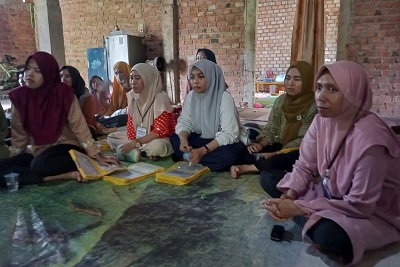
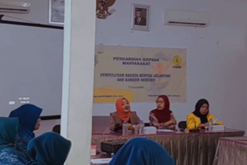
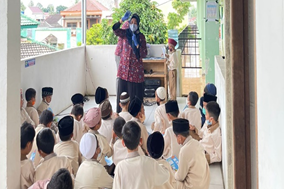
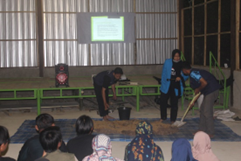
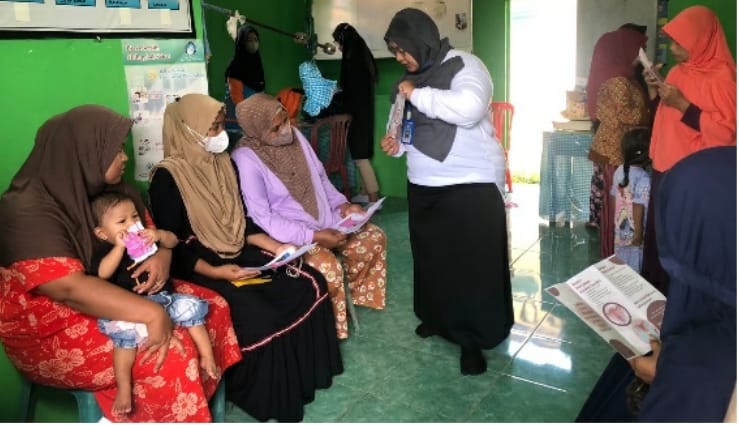
Cervical cancer is one of the leading causes of morbidity and mortality among women in Indonesia. Although it can be prevented through Human Papillomavirus (HPV) vaccination and early detection using IVA screening or Pap smears, screening coverage remains low due to a lack of knowledge, attitudes, and awareness among women of childbearing age. This study aims to analyze the behavior of women of reproductive age regarding their interest in cervical cancer prevention at the Kampung Baru Community Health Center. The study employed a quantitative analytical design with a cross-sectional approach. The sample consisted of 98 women of reproductive age selected using purposive sampling. Data were collected using a questionnaire that measured respondents’ behavior and interest in cervical cancer prevention. The results showed that the majority of respondents were aged 26–35 years (41.8%) and had a high school education (45.9%). The behavior of the respondents was classified as “good” for 56 individuals (57.1%), while 62 respondents (63.3%) expressed a high level of interest in cervical cancer prevention. The results of the study showed that the majority of respondents were aged 26–35 years (41.8%) and had a high school education (45.9%). The behavior of the respondents fell into the “good” category for 56 individuals (57.1%), while 62 respondents (63.3%) expressed a high level of interest in cervical cancer prevention. The results of the Chi-Square test analysis indicate a significant association between the health behaviors of women of reproductive age and their interest in cervical cancer prevention (p = 0.001). The educational activities provided also improved participants’ knowledge, attitudes, and motivation to undergo early detection through IVA screening and Pap smears. It is concluded that good health behaviors play a crucial role in increasing the interest of women of reproductive age in cervical cancer prevention. Therefore, ongoing health education must continue to be implemented to increase screening coverage and reduce the incidence of cervical cancer.
Endah, H. S. (2023). Evaluasi pelaksanaan program deteksi dini kanker serviks dengan IVA di Indonesia. https://www.researchgate.net/publication/376409505_EVALUASI_PELAKSANAAN_PROGRAM_DETEKSI_DINI_KANKER_SERVIKS_DENGAN_IVA_DI_INDONESIA
Devisa, E., Djafri, D., & Kasra, K. (2023). Faktor pemanfaatan deteksi dini kanker serviks ditinjau dari akses pelayanan kesehatan: Tinjauan literatur. Jurnal Kesmas (Kesehatan Masyarakat) Khatulistiwa, 10(3), 130–140. https://doi.org/10.29406/jkmk.v10i3.5698
Dewi, A. K., Triharini, M., & Kusumaningrum, T. (2019). The analysis of related factors of cervical cancer prevention behavior in reproductive-aged women. Pediomaternal Nursing Journal, 5(2). https://doi.org/10.20473/pmnj.v5i2.14867
Hi. Djalil, N., & Safitri, R. (2024). Factors influencing the interest of women of childbearing age in undergoing early detection of cervical cancer. NAJ Nursing Applied Journal, 3(1). https://doi.org/10.57213/naj.v3i1.1012
Rahmawati, E. I., Andriyani, D., & Rohmah, F. (2019). Women's knowledge and participation in early detection of cervical cancer: A cross-sectional study. Journal of Health Technology Assessment in Midwifery, 2(1). https://doi.org/10.31101/jhtam.880
Rohendi, C., Affandi, T. T., & Fauzah, T. S. N. (2025). The relationship between knowledge, attitudes, and supporting factors among women of reproductive age regarding cervical cancer and their interest in undergoing an IVA test. Jurnal Sehat Indonesia, 8(1). https://doi.org/10.59141/-.v8i1.519
Wang, W., Chair, S. Y., Wong, E. M. L., et al. (2021). Factors associated with the intention to undergo Pap smear testing in the rural areas of Indonesia: A health belief model. Reproductive Health, 18(1), 1–11. https://doi.org/10.1186/s12978-021-01188-7
World Health Organization. (2024). Screening for cervical cancer. Geneva: WHO.
World Health Organization & UNFPA. (2024). WHO and UNFPA commend Indonesia's efforts to eliminate cervical cancer
International Agency for Research on Cancer (IARC). (2020). GLOBOCAN 2020: Cervical cancer fact sheet Indonesia.
Rosiva, A. I. (2021). Gambaran Faktor Risiko Kanker Serviks di RSUD Dr. Pirngadi Medan Tahun 2017–2018. Fakultas Kedokteran Universitas Islam Sumatera Utara.
Copyright (c) 2026 Ninsah Mandala Putri, Gusti Artha Nainggolan, Astaria Br. Ginting, Keiza S.A Rajagukguk

This work is licensed under a Creative Commons Attribution-NonCommercial-ShareAlike 4.0 International License.