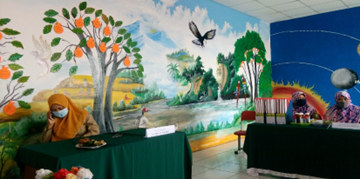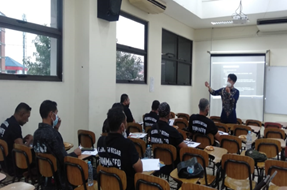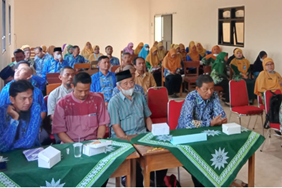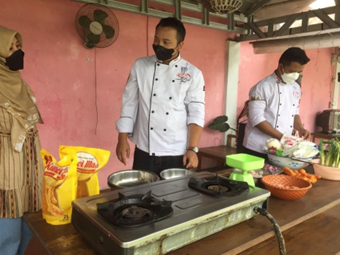
Pelatihan Perawatan Sirkulasi untuk Menanamkan Kebiasaan Perawatan Kaki Klien Neuropati Diabetik pada Ustadz dan Ustadzah BKPRMI Kabupaten Ogan Komering Ulu

Downloads
Background: Peripheral diabetic neuropathy among Qur’an teachers of the Indonesian Mosque Youth Communication Body (BKPRMI) in Ogan Komering Ulu Regency raises the risk of foot ulcers. Loss of protective sensation and a static teaching posture aggravate this risk. Random blood glucose exceeded 200 mg/dL in 26.7% of the teachers, and 46% of the hyperglycemic teachers reported neuropathic symptoms.
Objective: To increase independence and establish consistent self-directed foot care habits among clients with diabetic neuropathy through a self-efficacy-based circulation care training.
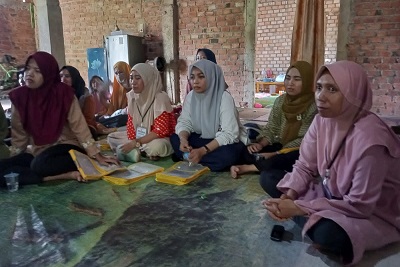
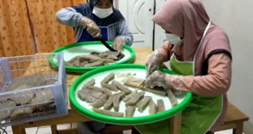
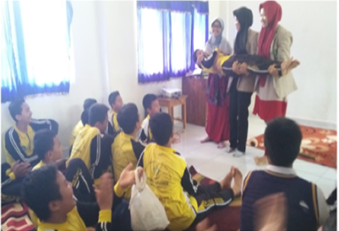
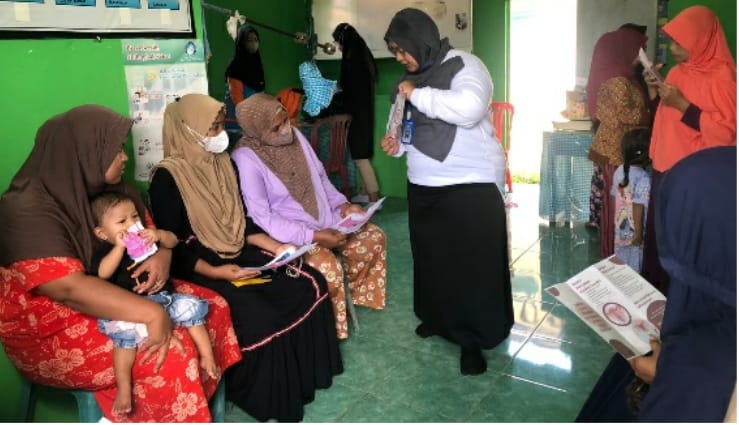
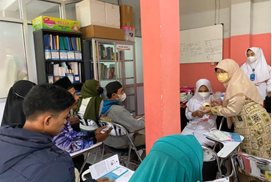
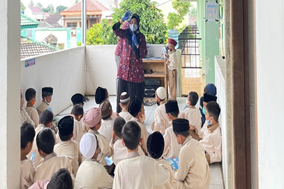
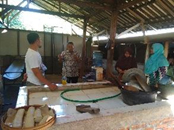
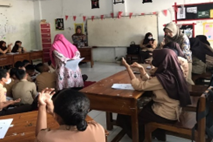
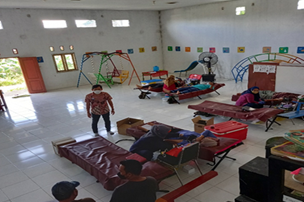
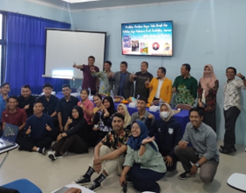
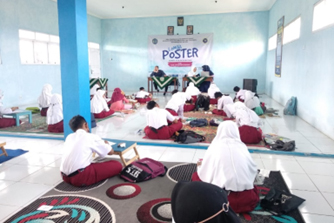
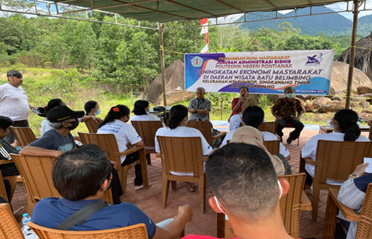
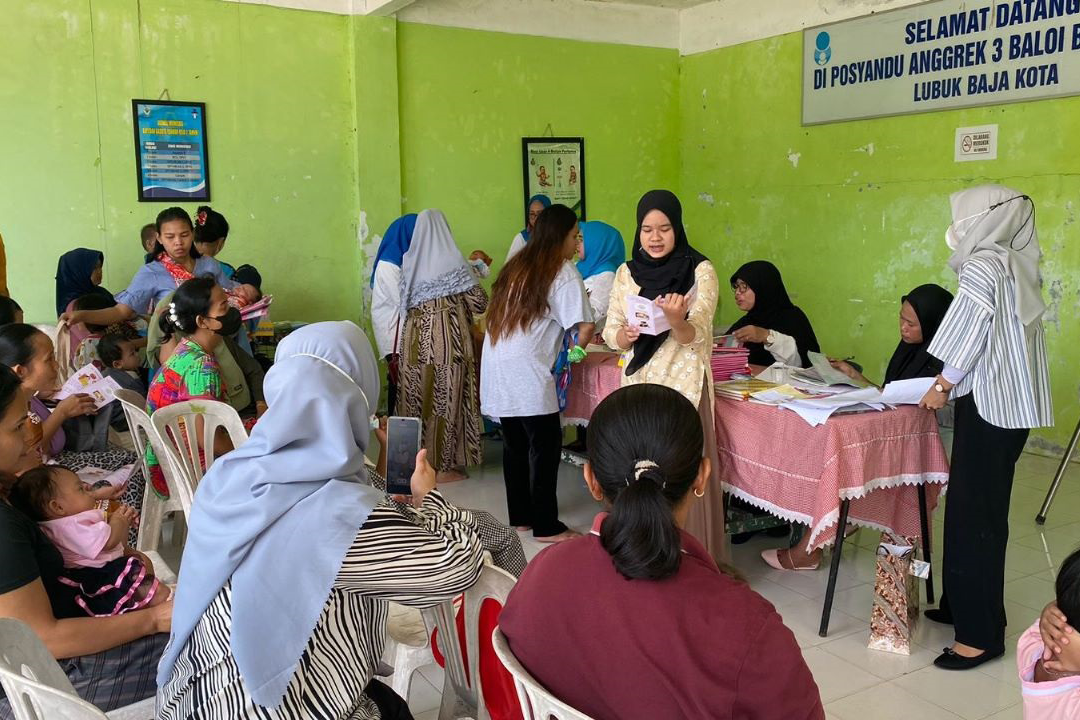
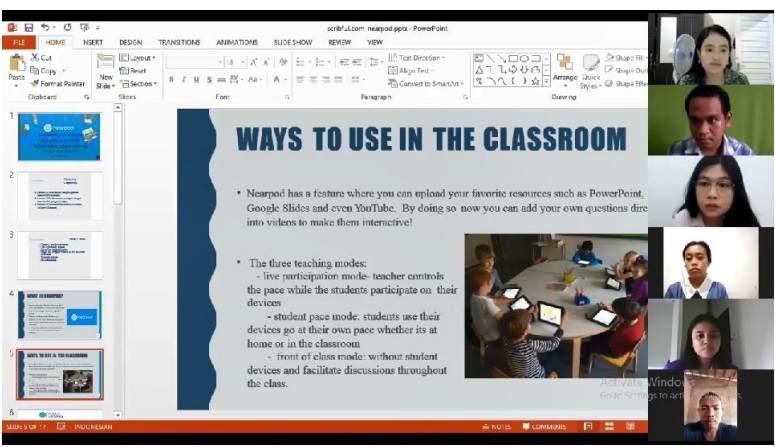
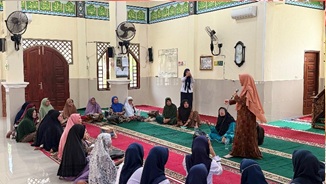
Methods: This community partnership program used a 50 The program enrolled 50 partners against a target of 30. The team screened neuropathy with a 10-gram monofilament and random blood glucose, then trained partners in foot care education, warm-water foot spa, straight nail cutting, moisturizer application, mirror-assisted foot inspection, and diabetic foot exercises. Telenursing support through WhatsApp lasted three months.
Results: Knowledge scores changed from 60 to 90 and partners’ foot care skills improved on physical assessment. The team met three constraints: resistance to footwear inside the mosque area, limited physical flexibility among older partners, and fatigue from chronic pain (diabetic distress). New sponge slippers, long-handled mirrors with family assistants, and verbal persuasion in the WhatsApp group addressed these constraints.
Conclusion: A self-efficacy-based circulation care training improved foot care skills among clients with diabetic neuropathy and can be delivered in a religious setting with cultural adaptation. Evaluation with a comparison group and long-term follow-up are still needed.
Amrouch, C., Lane, D. A., Calderón-Larrañaga, A., Petrovic, M., De Smedt, D., & the AFFIRMO investigators. (2025). Quality of prescribing and health-related quality of life in older adults: A narrative review with a special focus on patients with atrial fibrillation and multimorbidity. European Geriatric Medicine, 16(4), 1137–1161. https://doi.org/10.1007/s41999-025-01175-2
Bus, S. A., Sacco, I. C. N., Monteiro‐Soares, M., Raspovic, A., Paton, J., Rasmussen, A., Lavery, L. A., & Van Netten, J. J. (2024). Guidelines on the prevention of foot ulcers in persons with diabetes (IWGDF 2023 update). Diabetes/Metabolism Research and Reviews, 40(3), e3651. https://doi.org/10.1002/dmrr.3651
Çelik Polat, E., Arıkan Dönmez, A., & Çakal, E. (2026). A nurse-led self-efficacy–based hybrid diabetic foot self-management education program for individuals with diabetes: A randomized controlled trial. BMC Nursing, 25(1), 233. https://doi.org/10.1186/s12912-026-04396-3
Chatchawan, U., Jarasrungsichol, K., & Yamauchi, J. (2020). Immediate Effects of Self-Thai Foot Massage on Skin Blood Flow, Skin Temperature, and Range of Motion of the Foot and Ankle in Type 2 Diabetic Patients. The Journal of Alternative and Complementary Medicine, 26(6), 491–500. https://doi.org/10.1089/acm.2019.0328
Cruz, M. K. D., Manuel, J. R., & Chiyapan, A. (2025). Foot massage among diabetes patients: A concept analysis using Walker and Avant’s method. Lentera Perawat, 6(3), 497–503. https://doi.org/10.52235/lp.v6i3.509
Elkashif, M. M. L., Mahdy, A. Y., & Elgazzar, S. E. (2021). Evaluating The Effect of Establishing Protocol for Self- Care Practice of Diabetic Foot Patients Regarding Their Needs, Concerns and Medication Use: A quasi-experimental study. Saudi Journal of Biological Sciences, 28(6), 3343–3350. https://doi.org/10.1016/j.sjbs.2021.02.081
Eltaib, F. A., Alenezi, I. N., Thankarajan Rajennal, A., Jothirajan, D., & Negm, L. M. M. A. (2026). Effectiveness of foot care guidelines on preventive knowledge and self-care behaviors among patients with diabetic neuropathy: A quasi-experimental study. Frontiers in Medicine, 13, 1818326. https://doi.org/10.3389/fmed.2026.1818326
Fathu Rohman, N., Wantonoro, W., & Isnaeni, Y. (2026). Foot Exercise Intervention for Diabetic Peripheral Neuropathy in Patients with Diabetes Mellitus: A Literature Review. Jurnal Manajemen Informasi Kesehatan (Health Information Management), 11(1), 173–185. https://doi.org/10.51851/jmik.v11i1.952
Feleke, S. F., Faris, A. M., Habtie, T. E., Atalay, A. A., Dejazmach, Z., Tesfa, N. A., & Derbew, G. (2025). Diabetic foot self-care practices and its predictors among diabetes mellitus patients in Ethiopia: Systematic review and meta-analysis. BMJ Open, 15(3), e092626. https://doi.org/10.1136/bmjopen-2024-092626
Jegadeesan, V., John Cecily, H. S., & Jose, C. (2026). Effectiveness of Nurse-Led Education on Foot Self-care Behavior among Diabetic Neuropathy Patients: Pilot Study. International Journal of Nutrition, Pharmacology, Neurological Diseases, 16(1), 120–128. https://doi.org/10.4103/ijnpnd.ijnpnd_232_25
Kang, Y., & Park, I. (2025). Diabetes self‐care activities and its correlates in patients with diabetic neuropathy. Journal of Clinical Nursing, 34(6), 2163–2170. https://doi.org/10.1111/jocn.17380
Kurnia, A. D., Masruroh, N. L., Melizza, N., Prasetyo, Y. B., & Setyowati, C. I. (2022). Efektivitas Perawatan Kaki Terhadap Gejala Neuropati Perifer Pada Penderita Diabetes Mellitus. Malahayati Nursing Journal, 4(6), 1426–1434. https://doi.org/10.33024/mnj.v4i6.6468
Nisak, V. K., Rahman, H. F., & Tauriana, S. (2026). Effect of Diabetic Foot Exercise on Foot Sensitivity and Blood Glucose Levels among Patients with Type 2 Diabetes Mellitus: A Quasi-Experimental Study in Primary Health Care. TRILOGI: Jurnal Ilmu Teknologi, Kesehatan, dan Humaniora, 7(1), 31–39. https://doi.org/10.33650/trilogi.v7i1.14496
Prasetiyo, A. R., & Purwanti, O. S. (2026). Pengaruh Senam Kaki terhadap Neuropati pada Lansia Diabetes Melitus Tipe 2 Puskesmas Colomadu II dan Colomadu I. JUMANTIK (Jurnal Ilmiah Penelitian Kesehatan), 10(2), 315. https://doi.org/10.30829/jumantik.v10i2.26600
Puryanti, C., Subiyanto, P., & Amigo, T. A. E. (2023). Integration of foot massage and diabetic foot gymnastic on peripheral perfusion in patients with diabetes mellitus 2. Jurnal Kebidanan dan Keperawatan Aisyiyah, 19(1). https://doi.org/10.31101/jkk.3041
Sentana, A. D., Sumartini, N. P., & Fatoni, A. (2020). Using The Booklets “Raka” (Rawat Kaki) In Preventing Diabetic Neuropati In Mataram City. Jurnal Kesehatan Prima, 14(2), 105. https://doi.org/10.32807/jkp.v14i2.539
Sujati, N. K., & Fadhilah, L. (2025). Telenursing Manajemen Hiperglikemia pada Klien Diabetes Melitus. PT. Sonpedia Publishing Indonesia.
Sukartini, T., Asmoro, C. P., & Alifah, N. (2020). The Influence of Diabetic Foot Exercise in Sensory Peripheral Neuropathy with Monofilament Test on Diabetes Mellitus Clients. Jurnal Ners, 14(3), 340–344. https://doi.org/10.20473/jn.v14i3.17263
Sukphaibool, P., Mitranun, W., & Lapanantasin, S. (2026). Comparative effects of walking meditation and massage on foot peripheral blood flow in persons with type-2 diabetic peripheral neuropathy: A randomized controlled trial. Journal of Bodywork and Movement Therapies, 48, 1783–1791. https://doi.org/10.1016/j.jbmt.2026.09.039
Terathongkum, S., Lininger, J., & Nonpanya, U. (2025). The effectiveness of self-efficacy enhancement for foot care program on HbA1c and foot status in people with type 2 diabetes in Thailand: A quasi-experimental study. Belitung Nursing Journal, 11(6), 794–801. https://doi.org/10.33546/bnj.4131
Copyright (c) 2026 Ni Ketut Sujati, Lisda Hayati, Suryanda, Shella Amelia Putri, Dwi Andrayani, Abid Arrohmanurrohim, Rena Agustina, Salsabilah Kirana Hardianti, Tasya Rizki Mutiarani

This work is licensed under a Creative Commons Attribution-NonCommercial-ShareAlike 4.0 International License.